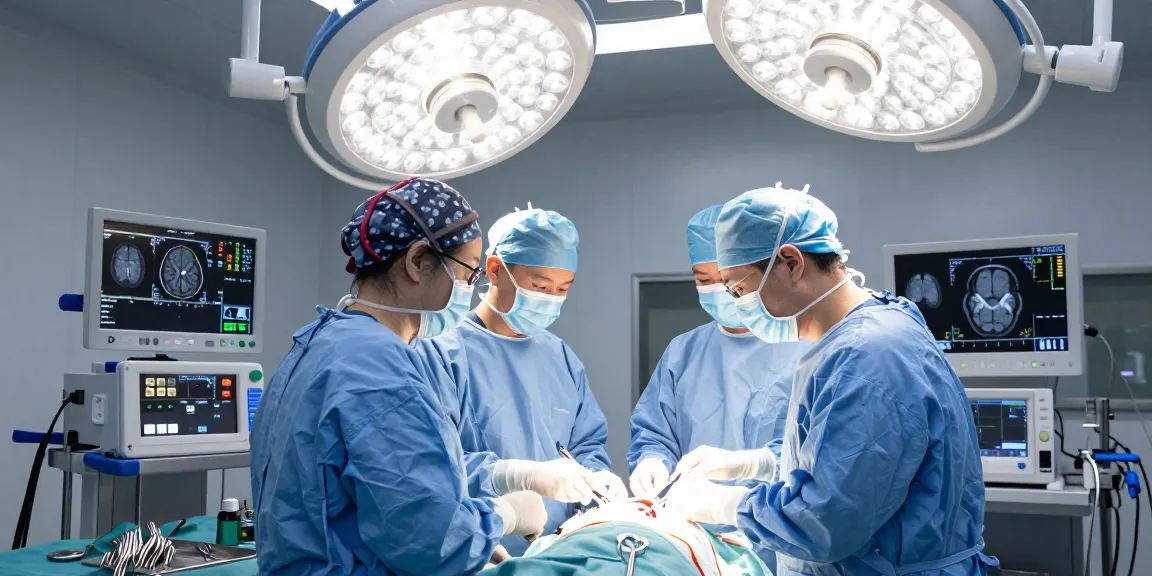
Understanding Brain Tumor Surgery
Brain tumor surgery is a critical intervention aimed at treating both benign and malignant tumors that affect the brain. As medical technology advances, the methods employed in brain tumor surgery continue to evolve, ensuring higher success rates and better patient outcomes. From meticulous pre-operative assessments to the complexities of surgical techniques, this guide examines the multifaceted aspects of brain tumor surgery, providing critical insights for patients and their families. For those exploring surgical options, beyin tümörü ameliyatı offers a pathway to recovery and improved quality of life.
What is Brain Tumor Surgery?
Brain tumor surgery is a surgical procedure aimed at removing tumors from the brain, whether they are primary tumors originating from brain cells or secondary tumors that have metastasized from other areas of the body. The primary objective of the surgery is to excise the tumor while preserving surrounding healthy tissue and minimizing neurological damage. Depending on the tumor type and location, different surgical strategies such as craniotomy, endoscopic surgery, or awake brain surgery may be employed.
Types of Brain Tumors Treated
There are various types of brain tumors that can necessitate surgery, including:
- Meningiomas: Generally benign tumors arising from the meninges, the protective layers of the brain.
- Gliomas: Tumors originating from glial cells, which can range from benign to highly aggressive (e.g., Glioblastoma Multiforme).
- Metastatic tumors: Secondary tumors that develop when cancer cells spread from other parts of the body.
- Acoustic neuromas: Benign tumors that affect the vestibular nerve, often leading to hearing loss.
Common Procedures and Techniques
The choice of surgical procedure largely depends on the tumor’s size, location, and type. Common techniques include:
- Craniotomy: Involves removing a portion of the skull to access the brain.
- Stereotactic surgery: Utilizes imaging guidance to precisely locate and target the tumor.
- Awake craniotomy: Allows surgeons to interact with patients during the operation to ensure critical brain functions are preserved.
- Endoscopic approaches: Minimally invasive techniques that use a camera and instruments inserted through small openings.
Preparing for Your Surgery
Preparation for brain tumor surgery is a crucial step that can significantly influence the surgery's success and the recovery process. Patients must undergo a comprehensive evaluation that includes imaging studies, neurological assessments, and discussions regarding potential risks and benefits.
Pre-operative Assessments
Before surgery, a series of assessments will be conducted, including:
- Magnetic Resonance Imaging (MRI): Helps visualize the tumor and surrounding structures.
- Neurological exams: Assess cognitive and motor functions to establish a baseline.
- Blood tests: Evaluate overall health and identify potential complications.
- Anesthesia consultation: Discusses anesthesia options and assesses any allergies or previous reactions.
What to Expect on Surgery Day
On the day of surgery, patients should anticipate the following:
- Preparation: Patients may be asked to refrain from eating or drinking for a specified period before the procedure.
- Arrival at the hospital: Patients will check in and be prepared for surgery, including receiving anesthetics.
- Monitoring: Vital signs will be monitored throughout the surgical procedure to ensure safety.
Post-operative Preparation
After the surgery, depending on the complexity, patients are usually moved to a recovery area for monitoring. Pain management and follow-up imaging will be critical in assessing the surgery's success.
Risks and Considerations
Like any surgery, brain tumor operations carry potential risks. Understanding these risks helps patients and their families make informed decisions.
Potential Complications of Beyin Tümörü Ameliyatı
While brain tumor surgery is generally safe, complications can occur, including:
- Infection: Post-operative infections can arise, particularly in the surgical site.
- Bleeding: Hemorrhage can occur within the brain or at the surgical site.
- Neurological deficits: There is a risk of temporary or permanent changes in motor skills, speech, or cognitive functions.
- Cerebrospinal fluid (CSF) leaks: Leakage of CSF can occur at the site of surgery.
Assessing Patient Health Risks
Several factors influence a patient's risk profile, including:
- Age: Older patients may have a higher risk of complications.
- Pre-existing conditions: Conditions like hypertension or diabetes can complicate surgery.
- Location of the tumor: Tumors close to critical brain structures have higher risk factors.
Common Misconceptions
Addressing misconceptions about brain surgery is essential. Many believe that all brain surgeries result in significant cognitive or physical impairments. However, with advanced surgical techniques and pre-operative planning, many patients can recover fully or near fully.
Recovery Process After Surgery
Understanding the recovery timeline is vital for patients and their families. The post-operative phase includes managing symptoms, monitoring for complications, and preparing for rehabilitation.
Understanding the Recovery Timeline
Typically, the recovery timeline can vary:
- Hospital stay: Most patients stay in the hospital for about 3 to 5 days post-surgery.
- Initial recovery: Patients may experience fatigue and discomfort for several weeks.
- Long-term recovery: Full recovery can take months, during which follow-up appointments will be critical.
Follow-up Care and Monitoring
Follow-up care is essential in the post-operative period. Regular MRI scans help detect any recurrence of the tumor, while neurological exams assess functional recovery.
Signs of Complications
Patients should be vigilant for any signs of complications, such as:
- Severe headache that does not improve with medication.
- Changes in vision or speech.
- Weakness or numbness in any part of the body.
- Fever or signs of infection.
Future Trends in Brain Tumor Surgery
The field of neurosurgery is rapidly evolving with technological advancements and innovative techniques that enhance surgical outcomes.
Innovations in Surgical Techniques
New approaches in surgical techniques include:
- Robotic-assisted surgery: Minimizes invasiveness and improves accuracy.
- Enhanced imaging technologies: Provide real-time feedback during surgery.
- Personalized surgical planning: Customizes the approach based on individual tumor characteristics.
Long-term Outcomes and Prognosis
Long-term outcomes for brain tumor surgeries depend on various factors, including the tumor type, location, and initial response to treatment. Overall, advances in surgical techniques have improved survival rates and quality of life for many patients.
Patient Support and Resources Post-Surgery
Support systems are crucial for recovery. Patients should seek out support groups and educational resources to connect with others facing similar challenges.
What is the typical recovery time for brain surgery?
Recovery times can differ significantly based on the complexity of the surgery and the patient’s individual health profile. Typically, initial recovery may take a few weeks, while full recovery can span months.
How successful are brain tumor surgeries?
Success rates for brain tumor surgeries vary widely according to tumor type, location, and the extent of surgical removal achieved. Overall, improvements in surgical techniques have enhanced success rates.
What should I expect during recovery?
Patients can expect a period of fatigue and discomfort post-surgery, with gradual improvements over weeks to months. Rehabilitation may be necessary to regain full function.
Are there risks associated with brain tumor surgery?
Yes, while brain tumor surgeries are often successful, they carry risks that include infection, bleeding, and neurological deficits, necessitating careful pre-operative planning and monitoring.
What advancements are expected in 2026?
By 2026, further innovations in minimally invasive surgical techniques, improved imaging technologies, and personalized medicine approaches are anticipated to improve outcomes and patient safety in brain tumor surgeries.. Additionally, beyin tümörü ameliyatı provides further details.