Understanding the Basics of 18k BTU Mini Splits
In today's world of home comfort solutions, the 18k btu mini split system stands out as an efficient and versatile option. Unlike traditional HVAC systems, mini splits offer targeted heating and cooling, making them ideal for various home settings. This article delves into the essentials of 18k BTU mini splits, exploring their features, benefits, and how they compare to conventional systems.
What Is an 18k BTU Mini Split?
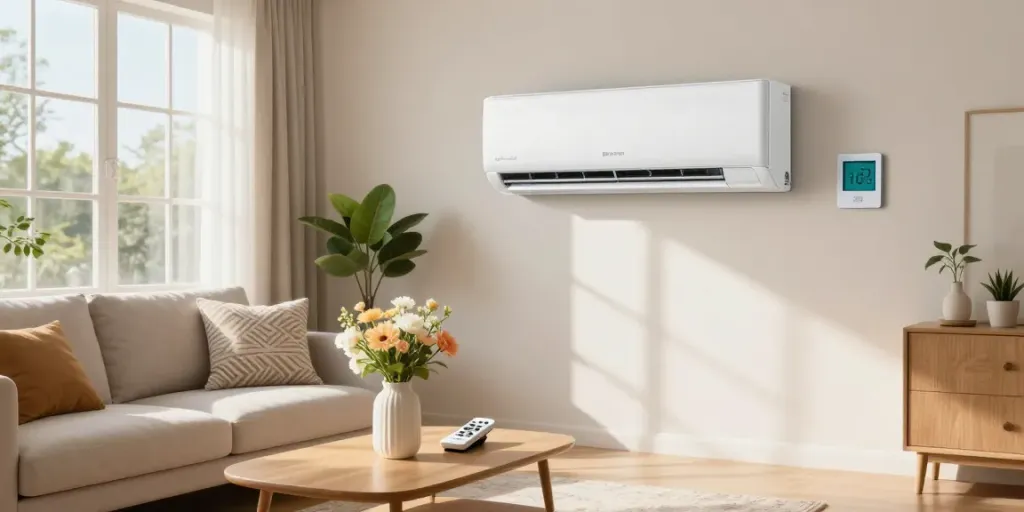
An 18k BTU mini split air conditioner is a type of ductless unit designed to provide heating and cooling for medium to large spaces, typically ranging from 550 to 1,000 square feet. The unit consists of two main components: an indoor air handling unit and an outdoor condenser. This setup allows for flexible installation without the need for ductwork, which can significantly reduce installation costs and energy loss associated with ducted systems.
Key Features and Benefits
- Energy Efficiency: Mini splits operate with a higher seasonal energy efficiency ratio (SEER) compared to traditional systems, translating to lower energy bills.
- Space-Saving Design: The compact size of mini splits allows for greater flexibility in placement, making them suitable for various room layouts.
- Zone Control: Homeowners can control the temperature in individual rooms, enhancing comfort and efficiency.
- Quiet Operation: Many mini split systems are designed to operate at quieter levels than traditional HVAC units, creating a more pleasant indoor environment.
Comparison with Traditional HVAC Systems
When compared to traditional heating and cooling systems, 18k BTU mini splits offer several advantages. Traditional units often rely on ductwork, which can lead to energy loss due to leaks. In contrast, mini splits bypass this issue entirely, resulting in higher efficiency. Furthermore, mini splits eliminate the need for bulky air ducts, providing more design flexibility. They also tend to have a higher upfront cost but provide substantial savings on energy bills over time, making them a wise investment for many homeowners.
Installation Considerations for Optimal Performance
Choosing the Right Location for Installation
Proper placement of the indoor and outdoor units is crucial for maximizing the performance of your 18k BTU mini split. Indoor units should be located where they can effectively circulate air throughout the room, avoiding areas directly obstructed by furniture or walls. The outdoor unit should be installed in a location that is easily accessible for maintenance and far enough from obstructions to ensure optimal airflow.
DIY vs. Professional Installation: Pros and Cons
Many homeowners consider DIY installation to save on labor costs; however, it requires a good understanding of HVAC systems and installation procedures. While some units come with user-friendly installation guides, hiring a professional often ensures that the system is set up correctly and efficiently. Professionals also guarantee compliance with local building codes and help avoid potential issues down the line.
Essential Tools and Materials Needed
If you decide to undertake a DIY installation, several tools and materials will be necessary, including:
- Drill and drill bits
- Keyhole saw
- Level
- Refrigerant lines
- PVC or copper piping
- Wall bracket and hardware for mounting
Energy Efficiency and Cost Savings
How 18k BTU Mini Splits Contribute to Lower Energy Bills
One of the most significant advantages of an 18k BTU mini split system is its ability to save on energy costs. These systems utilize inverter technology that allows the compressor to operate at variable speeds, adjusting to changes in temperature. This means they can maintain a consistent temperature without excessive energy consumption. Homeowners often report energy bills that are 20-30% lower compared to traditional HVAC solutions during peak usage months.
Understanding SEER Ratings and Their Importance
SEER (Seasonal Energy Efficiency Ratio) ratings are critical for evaluating energy efficiency. An 18k BTU mini split typically has a SEER rating of 16 or higher, which is considered excellent. Systems with higher SEER ratings convert more energy into cooling, leading to lower operational costs. Homeowners should seek units with SEER ratings above 14 to ensure good performance and efficiency.
Tips for Maximizing Energy Savings
- Regularly clean or replace air filters to maintain airflow.
- Seal any gaps or leaks around windows and doors to prevent conditioned air from escaping.
- Utilize programmable thermostats to adjust temperatures automatically based on occupancy schedules.
- Consider using a mini split system in conjunction with ceiling fans for improved air distribution.
Maintenance Best Practices for Longevity
Routine Maintenance Checklist
To ensure the longevity and efficiency of your 18k BTU mini split system, regular maintenance is essential. Here’s a checklist:
- Clean the filters every month during usage.
- Inspect the outdoor unit for debris and ensure it's free of obstructions.
- Check the refrigerant levels and inspect for leaks.
- Schedule professional maintenance at least once a year.
Common Issues and How to Troubleshoot
Homeowners should familiarize themselves with common issues, such as:
- Inadequate cooling or heating—check the filters, and ensure the correct refrigerant level.
- Noisy operation—may indicate a loose component or failing fan motor.
- System not turning on—check the circuit breaker and remote control batteries.
When to Seek Professional Help
If you encounter issues that you cannot resolve yourself, such as refrigerant leaks or electrical problems, it’s best to hire a certified HVAC technician to ensure safety and compliance with regulations.
Future Trends in Mini Split Technology (2026 and Beyond)
Smart Technology Integration
As technology evolves, more 18k BTU mini split systems are integrating smart features. Homeowners can expect systems that connect to Wi-Fi, allowing for remote control via smartphone apps. This innovation enables users to adjust settings from anywhere, improving convenience and energy management.
Eco-Friendly Refrigerants and Sustainability
With increasing environmental awareness, manufacturers are shifting toward eco-friendly refrigerants that have a lower global warming potential. Future models of mini splits are expected to utilize these advancements, making them not only more effective but also more sustainable.
Predictions for Market Growth and User Adoption
The demand for energy-efficient solutions is projected to increase, with mini splits playing a significant role in the evolution of residential heating and cooling systems. As more homeowners become aware of their benefits, adoption rates are expected to rise, leading to innovations in efficiency and design.
Frequently Asked Questions
How many sq ft will an 18k BTU mini split cool?
Typically, an 18k BTU mini split can effectively cool spaces ranging from 550 to 1,000 square feet, depending on insulation and layout.
What is the cheapest 18,000 BTU mini split air conditioner?
Prices vary based on brand and features, but entry-level models of 18,000 BTU mini splits can start around $1,500 to $2,000.
How much does an 18k BTU mini split cover?
An 18k BTU mini split is designed to cover areas between 550 and 1,000 square feet, making it suitable for living rooms, larger bedrooms, and open spaces.
How much does a 18,000 BTU mini split cost to run?
The operational cost depends on local electricity rates and usage patterns, but average running costs can range between $50 to $100 monthly during peak usage.
What are the best brands for 18k BTU mini splits?
Some top brands include Mitsubishi, Fujitsu, Daikin, and LG, known for their efficiency and reliability in the mini split market.