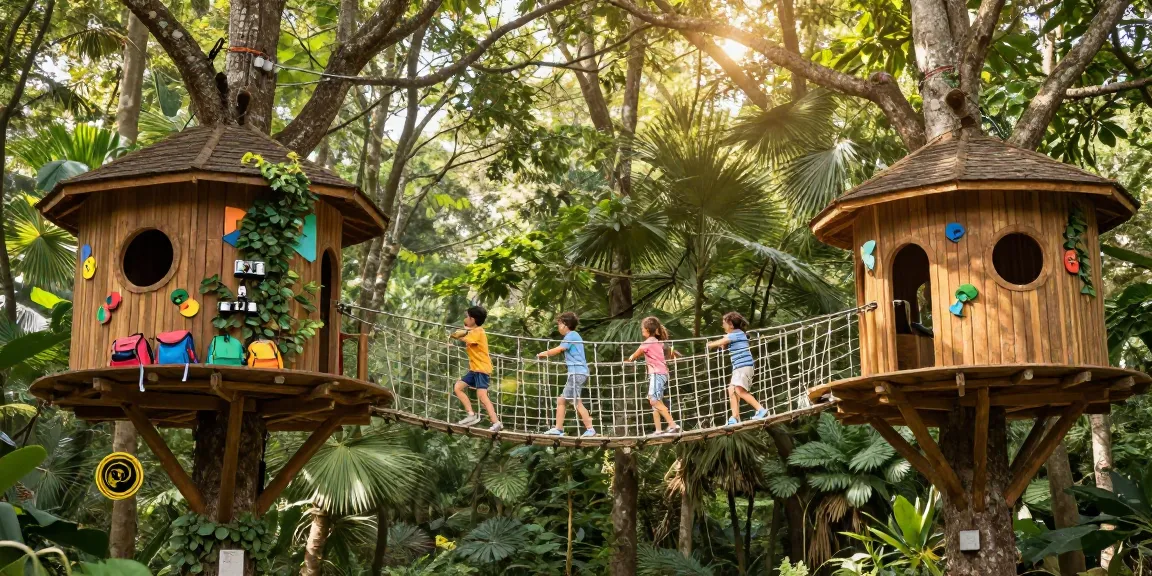
Understanding Rope Bridge Design Fundamentals
Rope bridges have long fascinated architects, engineers, and adventurers alike due to their unique blend of functionality and aesthetic appeal. These structures not only serve as practical crossings over obstacles but also create visual connections between natural landscapes. When exploring options, Rope Bridge design is an essential consideration for anyone looking to incorporate imaginative elements into their outdoor spaces.
What is a Rope Bridge?
A rope bridge is a type of bridge that uses ropes or cables to support the structure and facilitate the crossing of a gap, such as a river or valley. These bridges can vary widely in design and complexity, ranging from simple footbridges to elaborate suspension configurations. Often constructed in natural settings, rope bridges are popular in remote areas where building materials may be scarce.
Key Components of Rope Bridge Design
- Cables/Ropes: The primary structural elements, these must be robust and weather-resistant to withstand environmental pressures.
- Decking: This is the surface where pedestrians walk, typically made from wooden planks or synthetic materials.
- Anchoring Systems: Essential for stability, these systems secure the bridge to the ground or surrounding trees.
- Support Posts: Vertical posts that help distribute weight and provide additional strength to the structure.
Essential Safety Considerations
Safety is paramount when designing and constructing rope bridges. Factors to consider include:
- Load capacity: Ensure the bridge can support the expected number of users and any additional loads.
- Materials: Use high-quality, durable materials that can resist environmental degradation.
- Maintenance: Regular inspections should be conducted to identify and rectify potential issues, such as fraying ropes or structural weakness.
Types of Rope Bridges for Different Environments
Suspended Rope Bridges
Suspended rope bridges are perhaps the most iconic type, featuring a series of cables strung across a gap with a pedestrian deck attached to them. These designs are especially suitable for spanning larger distances and are frequently used in mountainous or forested regions.
Fixed-Beam Rope Bridges
In contrast, fixed-beam rope bridges feature a rigid structure supported by ropes but do not rely solely on cable suspension. This type can be advantageous when a more stable bridge is desired, particularly for areas with high foot traffic.
Log Rope Bridges
Log rope bridges combine natural materials with rope systems, utilising logs as the primary walking surface. This design is well-suited for remote and rustic settings, offering an authentic experience while providing functional crossing solutions.
Designing Your Own Rope Bridge
Planning and Measuring for Your Space
Before diving into construction, it's essential to thoroughly plan your rope bridge design. Consider the following:
- Measurements: Accurately measure the span you need to cover.
- Height: Decide on the height of the bridge to ensure it is safe and practical.
- Location: Choose a location that provides solid anchor points, such as trees or posts.
Materials Needed for Construction
When constructing a rope bridge, a careful selection of materials is crucial for ensuring durability and safety. Common materials include:
- Heavy-duty ropes or cables (such as nylon or polyester)
- Wooden planks for decking
- Steel eye bolts for anchoring
- Support posts, preferably treated for weather resistance
Step-by-Step Building Guide
- Site Preparation: Clear the area of obstacles and debris.
- Install Anchor Points: Securely position your anchor posts or trees to ensure stability.
- String the Main Cables: Attach the cables between the anchor points, ensuring they are taut.
- Add Decking: Secure the wooden planks to create the walking surface.
- Perform Safety Checks: Double-check all connections, ensuring everything is secure before use.
Maintenance and Safety Checks for Rope Bridges
Regular Inspection Techniques
To ensure the longevity and safety of your rope bridge, regular inspections are essential. Key techniques include:
- Visual inspections: Regularly check for signs of wear or damage to ropes and decking.
- Load testing: Occasionally conduct tests to ensure the bridge can safely bear weight.
- Environmental checks: Monitor surrounding vegetation to prevent overgrowth that could compromise the structure.
How to Repair Common Issues
Common issues with rope bridges include:
- Frayed ropes: Replace any damaged cables immediately to maintain safety.
- Loose decking: Ensure all wooden planks are securely fastened and replace any that show significant wear.
- Weak support posts: Reinforce or replace posts that show signs of rot or weakness.
Safety Upgrades and Enhancements
Consider implementing safety upgrades such as:
- Installing handrails for additional support.
- Using non-slip materials for decking to reduce the risk of slips.
- Engaging with a specialist for professional assessments.
Future Trends in Rope Bridge Design (2026 and Beyond)
Innovative Materials and Technologies
As we look to the future, advances in materials science and engineering will likely lead to the creation of more durable and environmentally-friendly options for rope bridges. Innovations such as composite materials and eco-friendly synthetic ropes may become standard.
Eco-Friendly Design Practices
Increasingly, sustainability will play a significant role in rope bridge design. Emphasising natural materials sourced responsibly will be essential to minimize environmental impact while still providing robust functionality.
Community Engagement and Projects
Community projects involving rope bridge construction can enhance local engagement and provide educational opportunities. These projects can encourage community involvement in discussions around safety, design, and maintenance practices.
Frequently Asked Questions
How do I build a rope bridge?
Building a rope bridge involves planning, selecting materials, establishing supportive structures, and adhering to safety protocols throughout the construction process.
What are the different types of rope bridges?
Rope bridges can be classified into several types, including suspended bridges, fixed-beam bridges, and log bridges, each suited for different environments and use cases.
How much does a rope bridge cost?
The cost of building a rope bridge varies significantly based on materials, size, and location, ranging from a few hundred to several thousand pounds.
What is the simplest bridge design?
The simplest bridge design often involves a basic beam or plank supported by sturdy points at either end, effectively allowing for a straightforward crossing.
Where can I buy a rope bridge kit?
Rope bridge kits are available from various suppliers, often featuring pre-cut materials and instructions to facilitate installation.